Community Post
PVC Panel Adhesives & Hygienic Silicones
PVC panel adhesives and hygienic silicones are often overlooked, yet they are among the most critical components of any hygienic wall cladding system. Even the highest-quality PVC panels will fail to perform correctly if they are installed using the wrong fixing methods or poor-quality sealants. In regulated and high-hygiene environments, correct specification of adhesives and silicones is essential for durability, safety, and compliance.
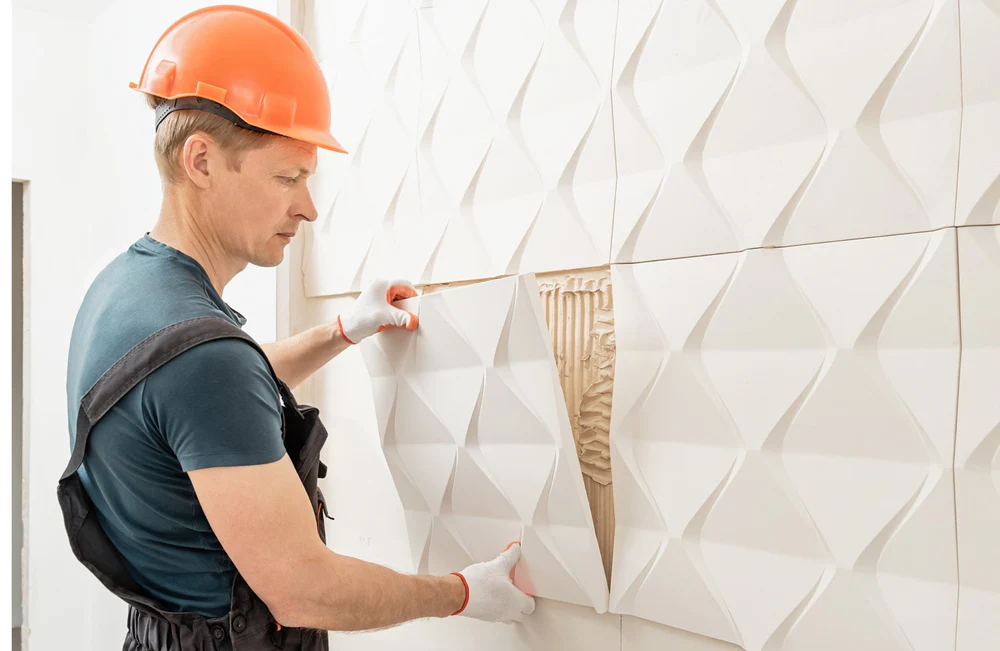
PVC panel adhesives are designed specifically to bond cladding sheets securely to a wide range of substrates, including plasterboard, concrete, brick, blockwork, tiles, and metal surfaces. Unlike general construction adhesives, cladding-specific products are formulated to accommodate slight movement, temperature changes, and moisture exposure without losing adhesion.
A high-quality PVC panel adhesive creates a strong, long-lasting bond while remaining flexible enough to prevent stress cracking or panel distortion. This is particularly important in commercial kitchens, washrooms, food processing areas, and industrial settings where walls are exposed to heat, steam, vibration, and frequent cleaning.
Correct adhesive selection also supports installation efficiency. Many PVC cladding systems are designed to be bonded directly to existing surfaces, reducing preparation time and eliminating the need for mechanical fixings. This speeds up installation, reduces labour costs, and minimises downtime — a major advantage for operational businesses.
Hygienic silicones play an equally important role. While adhesives hold the panels in place, hygienic silicone sealants are used to seal joints, corners, and transitions between panels, trims, and other surfaces. These sealants are specifically formulated to resist mould growth, moisture penetration, and chemical attack.
In hygienic environments, poorly sealed joints are one of the most common causes of hygiene failures. Gaps, cracks, or degraded sealant lines can quickly become dirt traps where bacteria and moisture accumulate. Hygienic silicone eliminates these risks by creating a smooth, waterproof, easy-clean seal that maintains integrity over time.
Food-safe and antimicrobial silicone sealants are particularly important in catering, healthcare, and laboratory settings. These products are designed to withstand aggressive cleaning regimes, including disinfectants and degreasers, without shrinking, cracking, or discolouring.
Colour matching is another practical benefit of modern hygienic silicones. Available in white and a range of colours, sealants can be matched to panels and trims to maintain a clean, professional appearance. This is especially important in customer-facing areas where visual consistency reflects overall quality.
Correct application is just as important as product choice. Surfaces must be clean, dry, and properly prepared before adhesive or silicone is applied. Using the correct bead size, spacing, and curing time ensures optimal performance. Incomplete curing or incorrect application can compromise both adhesion and hygiene performance.
At Cladding4Less, we supply PVC panel adhesives and hygienic silicones that are specifically selected for use with hygienic wall cladding systems. Our products are compatible with PVC panels, trims, and profiles, helping installers and specifiers avoid costly compatibility issues.
When specifying a hygienic cladding system, adhesives and sealants should never be an afterthought. They are a fundamental part of the system — securing panels, sealing joints, and protecting hygiene standards long after installation is complete.